From stone walkways and edging to driveways, patios and pool decks, there are many outside areas that can benefit from the beauty and durability of paving stones, or "pavers." Pavers are made from a variety of materials, including natural stone, brick and concrete and come in a wide variety of shapes, styles and colors.
Pavers are relatively inexpensive and installation can easily be accomplished by a do-it-yourselfer with just some general tips and guidelines. Pavers require little maintenance, and repairs are relatively simple, making them a perfect addition to your garden or backyard.
|
Before you buy paving stone, consider the following questions:
• What type of paver is best suited to your project?
• What materials can pavers be constructed from?
• Are you looking for a specific color range?
• What are the proper steps for installation?
• How can you best care for and maintain paving stones?
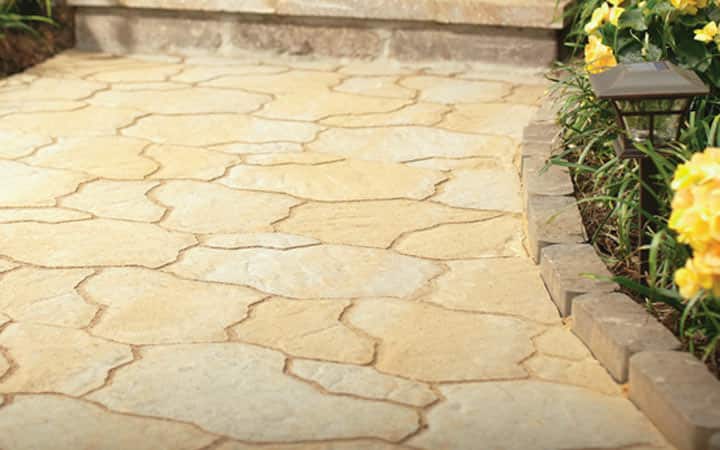
Types, Uses, Maintenance and Installation
There are three basic types of paver materials -- natural stone, brick and concrete. Within these simple materials there are hundreds of different styles and colors. Since concrete pavers are actually a manufactured product, colors are introduced during the manufacturing process to produce a wide range of strong, bright colors that resist sun and fading.
Manufactured pavers are interlocking, which makes them particularly easy to install. Lay them side by side to create neat borders that separate your lawn and garden or stack them in a low wall to make a raised bed. You can use concrete pavers, as well as natural stone or clay bricks, to create beautiful, intricate designs on walkways and patios.
Types
Natural stone pavers, such as flagstone or fieldstone, are very attractive and are the most expensive type. Limestone is often used as edging material, particularly in parts of the U.S. that experience harsh winters because the stones are extremely strong and stand up well under extreme weather conditions.
Paving brick is made of clay, which is very strong and resistant to stains. Brick also offers timeless design appeal and presents a quiet, stately elegance when used on pathways, patios and more. Concrete pavers are made of molded concrete mixed with aggregate.
• Use flagstone or fieldstone as decorative steppingstones in a garden pathway
• There are a wide variety of colors and textures of brick to choose from
• Some concrete pavers are colored and fashioned to look just like brick pavers
• Joints between pavers eliminate the cracking of conventional concrete pavement
• You may need to replace or seal concrete pavers to retain the color
Uses
Natural stone is most often used in pathways, walkways, edging or on patios. Brick is extremely versatile and durable and can be used on pathways, driveways and as edging or patio material.
Precast concrete pavers are a uniform size and are specifically designed for outdoor use, although you should check with the manufacturer about durability for use in driveways or other high traffic areas. If you are planning to use pavers for a pathway, make sure to allow at least 3' of width.
If you are building a driveway, measure your vehicles and allow enough space with the doors open for people to exit and move comfortably around the car.
• Flagstone is used in patios, walkways, stepping stones and even indoors
• The uniform size of precast pavers simplifies planning and measurement
• Use simple paver patterns in small areas and save ornate designs for larger expanses
• Brick can be stacked or laid flat for a cleaner look and easier mowing
• You do not need mortar to achieve a tight fit between interlocking pavers
Maintenance
Pavers are virtually maintenance free; though there are a few things you can do to enhance their appearance and longevity. Clay paving bricks resist most stains, although they can develop a white, chalky substance, called efflorescence, which washes away.
Sweeping helps maintain pavers and periodic treatment with a pressure sprayer keeps them clean. You can also seal some varieties of pavers to minimize staining and increase longevity. You can reseal concrete pavers every two years or so, especially in areas with heavy traffic and wear. Clay pavers do not usually need sealing unless they regularly come in contact with grease and oil, such as around a barbecue.
• To avoid efflorescence, don't use calcium chloride deicers on brick driveways
• To clean brick, use water and a small bit of detergent to wash away grime
• To clean pavers, wash with a substance of ten parts water to one part vinegar
• If you have a cracked paver, only fix it if the crack is large and noticeable
• It's sometimes cheaper to replace individual pavers than to try to fix cracks
Save Up To 60% OFF Specials & Offers + FREE Shipping on most orders over $45 with Home Depot Coupons 2016!

No comments:
Post a Comment